Kickcore Font Evaluation
In the realm of graphic design, typography serves as more than just a vehicle for text; it is a primary tool for establishing mood, tone, and visual hierarchy. Among the myriad of typefaces available to designers, niche or stylistic fonts often emerge to fill specific aesthetic gaps. One such typeface is Kickcore, a brushed display font characterized by its horror-inspired aesthetic. This evaluation explores the characteristics, applications, and strategic considerations of using Kickcore in design projects, particularly within the context of seasonal themes like Halloween.
Understanding Kickcore: A Brushed Horror Display Font
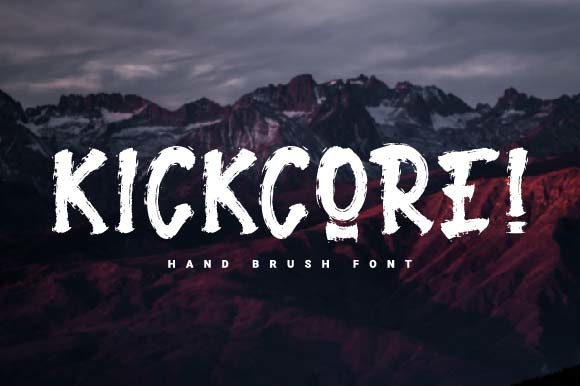
Kickcore is classified as a display font, meaning it is designed for large sizes rather than body text. Its defining feature is the "brushed" texture, which mimics the irregular, rough strokes of paint applied with a dry or damaged brush. Unlike clean, geometric sans-serifs or elegant serifs, Kickcore embraces imperfection. The letterforms are jagged, uneven, and evoke a sense of decay, urgency, or distress.
The "horror" descriptor attached to Kickcore refers not only to its visual association with the genre but also to the emotional response it triggers. It suggests danger, mystery, and the macabre. For designers working on themed events, merchandise, or digital media, this immediate psychological cue can be invaluable. The font does not require additional imagery to convey its theme; the typography itself acts as the primary visual hook.
Strategic Applications in Design
While Kickcore has broad potential, its strongest use cases are found in environments where atmosphere is paramount. Evaluating its utility requires looking at specific industry verticals and project types.
Halloween and Seasonal Campaigns
The most obvious application for Kickcore is during the Halloween season. As noted in many design trends, incorporating Kickcore into Halloween-themed designs allows them to stand out immediately. The brushed, distressed look aligns perfectly with traditional horror iconography—blood splatters, torn paper, and shadowy figures. When used on posters, social media graphics, or event banners, the font adds an instant layer of authenticity to the spooky narrative. It reduces the need for excessive graphical embellishment because the text carries the weight of the theme.
Music and Entertainment Media
Beyond holidays, Kickcore fits naturally within the music and entertainment sectors. Genres such as metal, punk, industrial, and electronic dance music (EDM) often utilize aggressive, high-energy visuals. Kickcore’s dynamic and rough edges complement album covers, concert flyers, and ticket designs. It signals intensity and rebellion, resonating with audiences who expect a raw, unpolished experience.
Branding for Niche Markets
For businesses operating in the horror, thriller, or alternative lifestyle niches, Kickcore can serve as a distinctive brand identifier. A haunted house attraction, a paranormal investigation group, or a dark fantasy bookstore might use this font to create a cohesive visual identity. The key here is consistency; if the rest of the branding relies on clean, corporate aesthetics, Kickcore will clash. However, when integrated into a broader dark-themed palette, it reinforces brand recognition.
Benefits and Tradeoffs
Selecting a typeface involves balancing artistic intent with functional requirements. Kickcore offers distinct advantages but comes with significant limitations that designers must weigh.
Key Benefits
- Immediate Emotional Impact: The font communicates its genre instantly. There is no ambiguity about the tone it sets.
- Visual Distinctiveness: In a sea of standard sans-serif and serif fonts, Kickcore stands out. It grabs attention quickly, which is crucial for advertising and headline copy.
- Thematic Efficiency: Designers spend less time searching for complementary textures or overlays because the font already possesses a built-in texture.
Potential Drawbacks
- Limited Readability: Due to its decorative nature, Kickcore is unsuitable for long-form text. Using it for paragraphs or small print leads to eye strain and confusion.
- Narrow Audience Appeal: The horror aesthetic may alienate audiences seeking professionalism, calm, or clarity. It is inappropriate for healthcare, finance, or educational materials where trust and stability are prioritized.
- Trend Dependency: While horror is a perennial interest, overly stylized fonts can sometimes feel dated if they rely too heavily on specific subcultural trends.
Considerations for Implementation
To maximize the effectiveness of Kickcore, designers should adhere to best practices regarding usage and pairing.
Pairing Strategies
Because Kickcore is visually loud, it pairs best with simple, neutral fonts for secondary information. A clean sans-serif or a classic serif can provide the necessary contrast and legibility for details like dates, locations, or descriptions. The hierarchy should clearly distinguish between the headline (Kickcore) and the body text (neutral font).
Sizing and Spacing
Display fonts perform best at larger sizes. When using Kickcore, ensure ample whitespace around the letters. Tight kerning can make the jagged edges collide, creating a muddy appearance that loses the intended effect. Experimenting with tracking (letter-spacing) can help enhance the dramatic tension of the word.
Color and Context
The impact of Kickcore is heavily influenced by color choices. High-contrast combinations, such as black on white, red on black, or neon green on dark gray, tend to amplify the horror aesthetic. However, muted tones can also work if the goal is a more subtle, eerie vibe rather than a shocking one.
Alternatives and Decision Framework
While Kickcore is a strong choice for specific scenarios, it is not a universal solution. Designers should consider alternatives based on their specific goals.
If the goal is to convey horror but with a more modern or minimalist approach, fonts with cleaner lines but distressed edges (such as certain glitch fonts or eroded serifs) might be preferable. If the project requires a more playful or cartoonish horror vibe, a rounded, bubbly horror font could be more appropriate. Conversely, if the objective is serious journalistic reporting on a horror topic, a standard newspaper serif would maintain credibility better than a display font.
When evaluating whether to select Kickcore, ask the following questions:
- What is the primary emotion? Does the project require fear, excitement, or aggression? If yes, Kickcore is a strong candidate.
- Who is the audience? Is the target demographic comfortable with edgy, unconventional aesthetics?
- Where will the text appear? Is it primarily for headlines, logos, or short tags? Avoid using it for navigation menus or lengthy content.
Conclusion
Kickcore is a specialized tool in the designer’s arsenal. It excels in creating immediate, atmospheric impact, particularly in horror-themed or high-energy contexts. By understanding its strengths in visual distinction and its limitations in readability, designers can make informed decisions about when to deploy it. For Halloween designs, in particular, adding Kickcore can elevate standard layouts into immersive experiences. However, its use should always be intentional, ensuring that the font’s aggressive personality aligns with the overall message and brand values of the project.