Baby Pink Font Evaluation
Selecting the right typeface is a critical decision in graphic design, branding, and digital content creation. The visual weight, style, and emotional resonance of a font can significantly alter how an audience perceives a message. Among the vast array of display fonts available, Baby Pink has emerged as a specific choice for projects requiring a distinct aesthetic: cute, cartoon-like, and playful. This evaluation explores the characteristics of Baby Pink, its ideal use cases, potential limitations, and practical considerations for designers and creators looking to incorporate it into their work.
Understanding the Baby Pink Typeface
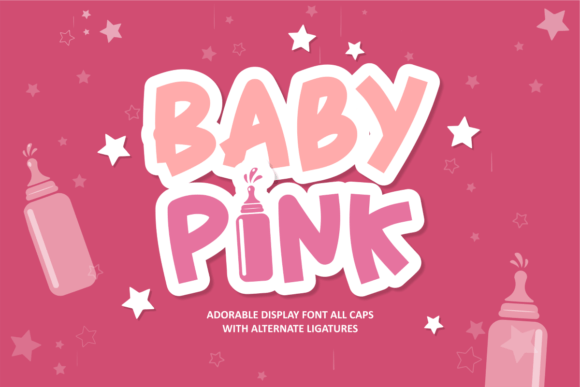
Baby Pink is classified as a display font, meaning it is designed primarily for large sizes rather than body text. Its defining characteristic is its "cute" and "cartoon-like" appearance. The letterforms typically feature rounded edges, irregular spacing, or whimsical distortions that mimic hand-drawn illustration styles. The name itself suggests a softness and approachability, which aligns with the visual tone of the typeface.
Unlike serif or sans-serif fonts that prioritize neutrality and readability, Baby Pink prioritizes personality. It is not intended to be invisible; instead, it demands attention through its stylistic flair. This makes it a strong candidate for contexts where the goal is to evoke feelings of innocence, joy, nostalgia, or lightheartedness.
Key Applications and Use Cases
Due to its specific stylistic constraints, Baby Pink is not a universal solution for all design needs. However, it excels in several niche areas where its playful nature is an asset rather than a distraction.
Children’s Media and Entertainment
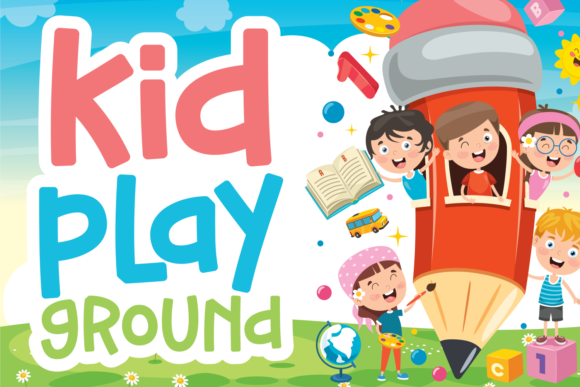
The most obvious application for Baby Pink is within the children’s sector. Whether designing assets for educational games, mobile apps targeting toddlers, or illustrations for picture books, this font reinforces the theme of playfulness. Its cartoon-like structure resonates with young audiences who are accustomed to animated characters and colorful, bouncy visuals. Using Baby Pink in titles or interface buttons can help establish an immediate sense of fun and accessibility.
Branding for Youth-Oriented Products
Brands that cater to younger demographics or seek to project a youthful image may find value in this typeface. For example, a boutique selling handmade toys, a party planning service, or a children’s clothing line might use Baby Pink for logos, packaging, or promotional posters. The font helps communicate warmth and friendliness, traits that are often desirable in industries focused on care and creativity.
Event Design and Invitations
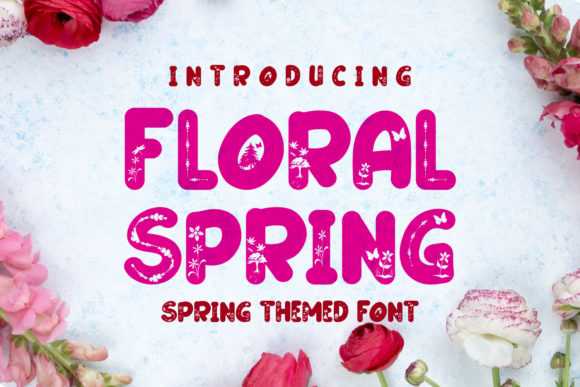
For events such as baby showers, birthday parties, or spring-themed gatherings, Baby Pink serves as an effective decorative element. It works well for headers on invitations, banners, and signage. The soft connotations of the font complement the celebratory and gentle atmosphere of these occasions.
Social Media and Digital Content
In the realm of social media, where engagement relies heavily on visual appeal, Baby Pink can be used strategically for quotes, memes, or short-form video overlays. When paired with appropriate imagery, it can enhance the shareability of content by adding a layer of aesthetic charm that stands out in crowded feeds.
Benefits of Choosing Baby Pink
There are several compelling reasons why a designer might select Baby Pink over more traditional options:
- Immediate Emotional Connection: The font’s whimsical nature allows it to convey emotion quickly without the need for additional graphical elements.
- High Distinctiveness: In a sea of standard Helvetica or Arial, Baby Pink offers a unique identity that can help a brand or project stand out.
- Versatility Within Niche: While limited in scope, it performs exceptionally well across various formats (print and digital) within its target demographic.
- Creative Freedom: Its informal style allows for creative layout experimentation, such as curved text paths or mixed-case styling, without feeling out of place.
Tradeoffs and Limitations
While Baby Pink has clear strengths, it also comes with significant tradeoffs that must be considered before adoption.
Readability Concerns
Display fonts like Baby Pink are generally unsuitable for long blocks of text. The irregular shapes and playful distortions can reduce legibility, causing eye strain if used for paragraphs or detailed instructions. Designers should restrict its use to headlines, titles, and short phrases only.
Lack of Professional Formality
The very qualities that make Baby Pink appealing for children’s products make it inappropriate for professional, corporate, or serious contexts. Using it for financial reports, legal documents, or medical information would undermine credibility and appear unprofessional.
Overuse and Trend Fatigue
Cute and cartoon-style fonts are popular trends. There is a risk that relying too heavily on Baby Pink could make a design feel dated or generic if not paired with modern, complementary elements. Designers must ensure the overall composition remains fresh and intentional.
Considerations for Implementation
To maximize the effectiveness of Baby Pink, consider the following practical insights:
- Pairing Strategy: Combine Baby Pink with clean, neutral sans-serif fonts for body text. This contrast ensures that while the headline grabs attention, the supporting information remains easy to read.
- Color Coordination: As the name implies, the font often pairs well with pastel colors, but it can also work against high-contrast backgrounds to create visual pop. Ensure sufficient contrast ratios for accessibility.
- Kerning and Spacing: Display fonts often require manual adjustment of letter spacing. Tighter tracking may cause letters to collide, while wider spacing might break the cohesive "cartoon" feel. Test various spacing options to find the optimal balance.
- Contextual Relevance: Always ask whether the playful tone matches the core message. If the content is informative or serious, reconsider the font choice.
Alternatives to Consider
If Baby Pink does not fully align with your project’s needs, several alternatives may offer similar vibes with different nuances:
- Comic Sans MS: A ubiquitous option for casual designs, though often criticized for overuse.
- Quicksand: A geometric sans-serif with rounded corners that offers a softer look while maintaining better readability.
- Pacifico: A script font that adds a personal, hand-written touch, suitable for slightly more mature playful contexts.
- Fredoka One: A bold, rounded sans-serif that provides a friendly presence without the extreme stylization of cartoon fonts.
Conclusion
Baby Pink is a specialized tool in the designer’s toolkit. It is not a one-size-fits-all solution but rather a targeted choice for projects that benefit from a cute, cartoon-like aesthetic. By understanding its strengths in engaging young audiences and its limitations regarding readability and formality, creators can make informed decisions about when and how to use it. When applied thoughtfully within appropriate contexts, Baby Pink can add a necessary touch of beauty and personality to children’s games, book covers, posters, and other creative endeavors.