Evaluating Amanda Belova: A Practical Guide to Using a Romantic Display Font in Design Projects
Selecting the right typography is often the most critical decision in graphic design, yet it is frequently overlooked in favor of color palettes or imagery. When working on projects that require an immediate emotional connection—particularly those centered around romance, weddings, luxury branding, or artisanal crafts—the choice of font can make or break the aesthetic. Among the various display fonts available to designers and hobbyists alike, Amanda Belova has emerged as a notable option for those seeking a blend of elegance and approachability. This article provides a detailed evaluation of Amanda Belova, exploring its visual characteristics, practical applications, and how it compares to broader categories of romantic and script typefaces.
Understanding the Visual Identity of Amanda Belova
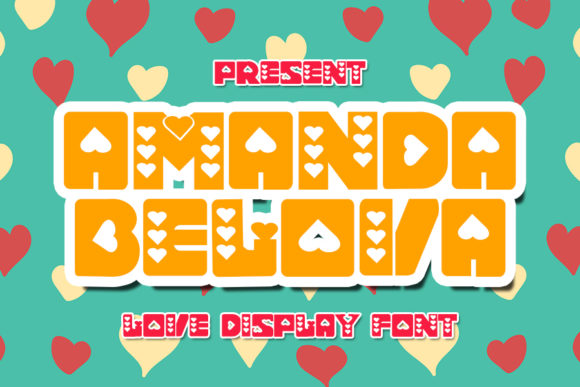
To evaluate whether a specific font fits your project, one must first understand its structural DNA. Amanda Belova is classified as a display font with a distinct romantic theme. Unlike standard serif or sans-serif fonts designed for body text readability, display fonts are intended for large-scale usage where character and style take precedence over pure legibility. Amanda Belova achieves this through a design that balances simplicity with ornamental flair.
The font’s primary appeal lies in its attractive and beautiful curves. It avoids the excessive complexity found in traditional calligraphy scripts, which can become difficult to read when scaled up or printed on certain materials. Instead, Amanda Belova offers a streamlined silhouette that feels modern yet timeless. The strokes are generally uniform but possess enough variation to feel hand-drawn and organic. This "simple and easy to use" nature is not just a marketing claim; it is a functional advantage. For designers who may not have advanced typographic training, Amanda Belova reduces the learning curve associated with pairing complex scripts with complementary sans-serifs or serifs.
Key visual traits include:
- High Legibility: Despite its decorative nature, the letterforms remain clear, even at smaller sizes relative to other script fonts.
- Romantic Aesthetic: The flow of the letters suggests movement and grace, evoking feelings of love, celebration, and softness.
- Versatile Weight: The font typically maintains a consistent weight that works well without requiring additional bolding or italicizing to create emphasis.
Best-Fit Situations for Amanda Belova
No single font is suitable for every context. Understanding where Amanda Belova shines helps designers allocate their resources more effectively. Its romantic theme makes it particularly well-suited for industries and events that prioritize emotional resonance and personal connection.
Wedding and Event Stationery
This is perhaps the most obvious application. Wedding invitations, save-the-dates, and menu cards often rely on typography to set the tone before the guest even enters the venue. Amanda Belova’s elegant curves mimic the flourish of a handwritten note, adding a personal touch that feels intimate rather than corporate. When mixed with minimalist layouts, the font becomes the star, allowing ample white space to breathe and enhancing the perceived value of the stationery.
Craft and DIY Projects
The prompt mentions that this font is very beautiful if mixed with various craft designs. This is a significant practical insight. In the world of handmade goods—such as embroidered patches, vinyl decals for mugs, laser-cut wooden signs, or custom packaging—clarity is paramount. Complex scripts often fail when cut by machines or stitched into fabric because the fine details get lost. Amanda Belova’s simplified structure ensures that the design remains intact during production. Whether used for a boutique candle label or a personalized gift tag, the font retains its charm without sacrificing technical feasibility.
Luxury and Beauty Branding
Brands in the cosmetics, skincare, and fashion sectors often seek to convey sophistication and femininity. Amanda Belova can serve as a powerful logo element or header font for these brands. It communicates quality and attention to detail without appearing ostentatious. When paired with neutral tones like beige, blush pink, or deep burgundy, the font enhances the brand’s narrative of self-care and indulgence.
Comparative Analysis: How It Stacks Up Against Alternatives
When evaluating Amanda Belova, it is helpful to place it within the broader landscape of romantic display fonts. Most competitors in this niche fall into two categories: highly ornate calligraphic scripts and rigid geometric scripts. Here is how Amanda Belova differentiates itself.
Ornate Calligraphy vs. Simplified Romance
Traditional calligraphy fonts (e.g., Great Vibes, Allura) often feature exaggerated swashes, heavy ink traps, and dramatic thick-and-thin contrasts. While stunning in digital mockups, these fonts can be problematic in print. They may require extensive kerning adjustments and can look cluttered on textured paper. Amanda Belova, by contrast, offers a simplified approach. It captures the *spirit* of calligraphy without the technical headaches. For users comparing options, the tradeoff is clear: you sacrifice some of the dramatic flair of high-contrast scripts in exchange for ease of use and broader compatibility with physical production methods.
Geometric Scripts vs. Organic Flow
On the other end of the spectrum are modern, geometric script fonts that rely on perfect circles and straight lines. These are popular for contemporary, minimalist brands but can sometimes feel cold or artificial. Amanda Belova sits comfortably between these extremes. It has an organic, human touch that prevents it from feeling too sterile, yet it is structured enough to maintain order. This balance makes it a safer choice for general audiences compared to more experimental or avant-garde script fonts.
Practical Considerations and Limitations
While Amanda Belova is a strong contender for many projects, it is not a universal solution. Evaluating its limitations is crucial for making an informed decision.
Readability in Body Text
As a display font, Amanda Belova should never be used for paragraphs of text. Even though it is relatively simple, its decorative nature will fatigue the reader if applied to long-form content. Best practice dictates using it for headlines, titles, logos, or short phrases only. For supporting text, pair it with a clean, neutral sans-serif or serif font. This contrast creates visual hierarchy and ensures the message is communicated clearly.
Overuse and Cliché Risk
Because the "romantic script" style is so prevalent in wedding and beauty industries, there is a risk of the design looking generic if not handled carefully. To avoid this, designers should focus on unique layout compositions, unconventional color palettes, or mixed media elements. The font itself is beautiful, but the overall design system must add value beyond the typography alone.
Licensing and Availability
Before integrating Amanda Belova into any commercial project, it is essential to verify the licensing terms. Some display fonts are free for personal use but require a paid license for commercial applications. Ensuring compliance protects both the designer and the client from legal issues. Additionally, check if the font includes a full character set (including punctuation and special characters), as missing glyphs can disrupt the flow of design work.
Decision Factors: Is Amanda Belova Right for You?
Choosing the right typeface is ultimately about solving a specific problem. Use the following checklist to determine if Amanda Belova aligns with your needs:
- What is the emotional goal? If you need to evoke romance, elegance, or warmth, this font is a strong candidate. If you need to convey authority, urgency, or technical precision, look elsewhere.
- What is the medium? Are you printing on textured paper, cutting vinyl, or creating digital banners? Amanda Belova’s simplicity makes it versatile across these mediums. If you are designing for small mobile screens where space is limited, ensure the font scales well.
- What is your skill level? If you are a beginner or intermediate designer looking for a "plug-and-play" solution that looks professional with minimal tweaking, Amanda Belova’s user-friendly nature is a major asset. Advanced typographers might find it less challenging to customize, but they may also appreciate its reliability.
- Do you need uniqueness? If your brand requires a completely bespoke identity, a stock font might feel too familiar. However, for most small businesses, event planners, and crafters, a high-quality display font like Amanda Belova provides sufficient distinction when combined with strong visual branding.
Conclusion
Amanda Belova represents a thoughtful intersection of aesthetics and utility. It addresses the common pain points of romantic typography—complexity, poor legibility, and production difficulties—by offering a streamlined, attractive alternative. For adults aged 20–50 who are navigating the world of design, whether as professionals or enthusiastic hobbyists, this font offers a reliable tool for creating impactful visuals. By understanding its strengths in wedding design, crafting, and branding, while respecting its limitations regarding body text and overuse, designers can leverage Amanda Belova to create work that is both beautiful and effective. As with any design choice, the key is intentional application: let the font speak softly, but let the overall design shout.