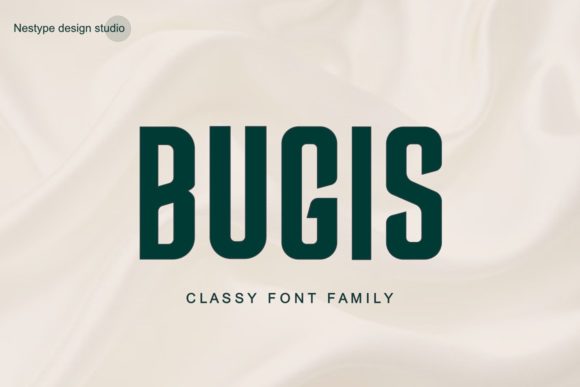
Bugis: A Sweet and Friendly Display Font for Modern Designs
When you are scrolling through design portfolios or browsing social media feeds, there is a certain type of typography that stops the scroll. It isn’t loud, aggressive, or overly technical. Instead, it feels warm, approachable, and distinctly human. This is where Bugis steps in. Described as a sweet and friendly display font, Bugis brings a natural, unique style to the table that makes it incredibly fitting for a large pool of designs. The only limit is your imagination.
In an era where digital noise is at an all-time high, brands and creators are looking for ways to cut through with authenticity rather than just volume. Bugis offers exactly that—a visual voice that sounds like a conversation between friends rather than a corporate announcement. Whether you are designing a packaging label for artisanal goods, crafting a wedding invitation suite, or building a landing page for a creative agency, this typeface provides a versatile foundation that balances personality with readability.
The Personality Behind the Pixels
Before diving into specific use cases, it helps to understand why Bugis resonates with so many designers. The term "sweet" in typography doesn't just mean cute; it implies a softness in the letterforms that reduces visual friction. Unlike harsh geometric sans-serifs that can feel cold or rigid, Bugis has curves and nuances that guide the eye gently across the text. Its "friendly" nature comes from its organic proportions, which mimic the slight irregularities of hand-drawn scripts without sacrificing the legibility required for modern screens.
This balance is crucial. Many decorative fonts fail because they prioritize style over function. Bugis manages to walk the line by maintaining clear character recognition while offering enough stylistic flair to stand out. It is not a background font; it is meant to be seen, heard, and felt. When you choose Bugis, you are choosing a tone that says, "We care about the details, and we want you to feel welcome."
Real-World Applications Across Industries
The versatility of Bugis lies in its ability to adapt to different contexts without losing its core identity. Here is how various industries and creators are leveraging this font to enhance their visual communication.
Food and Beverage Branding
If you have ever walked down the aisle of a boutique grocery store, you know that packaging is the first interaction a customer has with a product. For food brands, especially those positioning themselves as artisanal, organic, or homemade, trust and warmth are key selling points. Bugis is perfect for labels on honey jars, coffee bags, or craft beer cans. The font’s natural style suggests quality ingredients and small-batch production. It avoids the sterility of industrial fonts, making the product feel more personal and crafted with care.
- Coffee Shops: Use Bugis for menu boards or takeaway cups to create a cozy, neighborhood-cafe vibe.
- Confectionery: The "sweet" aesthetic of the font pairs beautifully with pastel colors and playful imagery for candy or bakery branding.
- Organic Skincare: For beauty products emphasizing natural ingredients, Bugis conveys purity and gentleness.
Events and Personal Celebrations
Weddings, birthdays, and baby showers are moments defined by emotion. Designers often struggle to find fonts that capture joy without appearing childish or cliché. Bugis hits that sweet spot. It is elegant enough for formal invitations but relaxed enough for casual save-the-dates. Because it is a display font, it works exceptionally well for headlines and names, allowing designers to pair it with simpler body fonts for logistical details.
Imagine a wedding invitation where the couple's names are rendered in Bugis. The letters feel inviting, setting the tone for a celebration that is both special and accessible. It removes the stiffness often associated with traditional serif fonts used in weddings, offering a modern twist that appeals to younger demographics who value authenticity.
Digital Content and Social Media
In the fast-paced world of Instagram and Pinterest, visuals need to pop immediately. Bugis serves as an excellent tool for content creators who want to build a recognizable brand aesthetic. Its unique style ensures that quotes, headers, and call-to-action buttons stand out in a crowded feed. Influencers and bloggers often use it for title cards in videos or overlay text on images, knowing that its friendly appearance encourages engagement.
Furthermore, for startups and small businesses launching a new website, using Bugis for hero headings can instantly communicate the brand's values. If your company is focused on community, wellness, or creativity, Bugis aligns with those missions visually. It signals to the user that they are entering a space that is designed with them in mind.
Who Benefits Most from Bugis?
Not every designer or business needs a font with this specific personality. Bugis shines brightest when used by those who prioritize emotional connection over strict minimalism.
Creative Agencies and Freelancers
For freelancers, the font is a way to inject personality into proposals and portfolios. It helps distinguish their work from competitors who rely on standard system fonts. By using Bugis, they demonstrate an eye for detail and a understanding of typographic mood.
E-commerce Store Owners
Online shoppers cannot touch or smell products, so they rely heavily on visual cues. A shop selling handmade jewelry or vintage clothing can use Bugis to reinforce the narrative of uniqueness and history. It adds a layer of storytelling to the product pages, making the shopping experience feel more curated.
Non-Profits and Community Groups
Organizations focused on charity, education, or local community support benefit from the approachability of Bugis. It lowers barriers to entry, making the organization seem less bureaucratic and more human-centric. It invites participation rather than demanding attention.
Practical Considerations and Best Practices
While Bugis is a powerful tool, like any design element, it requires thoughtful application to achieve the best results. Here are some practical tips to keep in mind.
- Pairing is Key: Because Bugis is a display font with strong character, it works best when paired with a neutral, highly readable sans-serif or serif for body text. Avoid pairing it with other decorative fonts, as this can create visual clutter and reduce legibility.
- Use Sparingly: Display fonts are most effective in short bursts. Use Bugis for headlines, titles, logos, and key phrases. Using it for long paragraphs of text can fatigue the reader and obscure the message. Let the font breathe.
- Consider Context: While Bugis is friendly, it may not be suitable for highly formal or serious contexts such as legal documents, financial reports, or medical information. In these cases, clarity and neutrality should take precedence over personality.
- Color and Space: To maximize the impact of Bugis, give it plenty of white space. Crowding the letters can diminish their natural charm. Additionally, consider how color interacts with the font; softer palettes often enhance its sweet aesthetic, while bold, contrasting colors can make it pop in a modern, graphic way.
Final Thoughts on Creative Freedom
The strength of Bugis lies in its adaptability. It does not force a single narrative but rather supports a wide range of creative directions. Whether you are aiming for rustic charm, modern elegance, or playful energy, Bugis provides a solid typographic base that enhances your message without overpowering it.
As designers and marketers continue to seek deeper connections with their audiences, the demand for fonts that convey genuine human emotion will only grow. Bugis meets this demand head-on. It is more than just a collection of glyphs; it is a design asset that brings warmth, clarity, and style to any project. So, open your design software, pick up Bugis, and see where your imagination takes you. The possibilities are as vast as the projects you undertake.