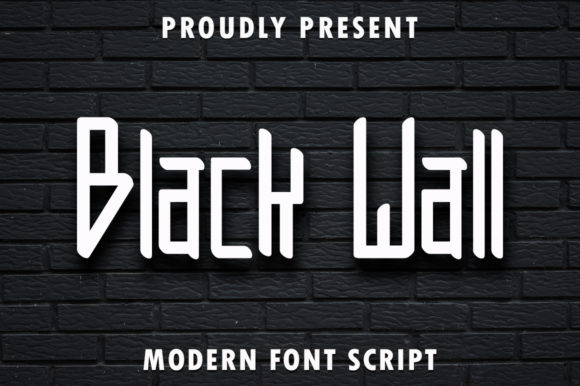
Black Wall: Why This Quirky Display Font Is a Smart Choice for Modern Brands
Choosing the right typeface is rarely just about aesthetics; it is a strategic decision that communicates tone, reliability, and personality before a single word is read. Among the vast sea of available typography, Black Wall has emerged as a distinct option for creators who want to balance clean professionalism with a touch of playful character. It is not merely another sans-serif font; it is a fun and friendly display font designed to stand out without shouting.
For small business owners, marketers, and DIY enthusiasts, the difference between a generic template and a branded identity often lies in these subtle typographic choices. Black Wall offers a unique proposition: it is clean enough for corporate branding yet quirky enough for social media engagement. However, like any design tool, its effectiveness depends on how well you understand its strengths and limitations. Many users overlook the nuances of display fonts, leading to designs that feel cluttered or unprofessional. Let’s explore why Black Wall works, where people commonly go wrong when using it, and how to maximize its potential for your projects.
Understanding the Personality of Black Wall
To use a font effectively, you must first understand its voice. Black Wall is described as "clean and a little bit quirky." This duality is its greatest asset. The "clean" aspect refers to its legibility and structured geometry, which makes it suitable for headlines, logos, and packaging. The "quirky" element comes from slight irregularities in the letterforms—perhaps a slightly rounded corner here or an uneven stroke weight there—that prevent the text from feeling sterile or robotic.
This balance is crucial for modern audiences. Consumers today are fatigued by overly rigid, corporate-looking designs but still require a baseline of trustworthiness. A font that is too whimsical might undermine credibility, while one that is too serious might fail to engage. Black Wall hits the sweet spot. It signals approachability. Whether you are designing a logo for a craft shop, a header for a lifestyle blog, or a flyer for a local event, this font conveys friendliness without sacrificing clarity.
However, understanding the personality is only step one. The real challenge lies in application. Many beginners assume that because a font is "fun," it can be used anywhere. This is a common misconception that can dilute brand impact.
The Mistake of Overuse and Misplacement
One of the most frequent errors when adopting a display font like Black Wall is using it for body text. Display fonts are designed for impact at larger sizes, typically for headlines, titles, and short phrases. They often lack the refined kerning and x-height consistency required for long-form reading. If you attempt to set paragraphs of text in Black Wall, you will likely find that reader fatigue sets in quickly. The quirks that make the font charming in a logo become distracting obstacles when trying to parse complex sentences.
Practical Advice: Always pair Black Wall with a highly legible, neutral sans-serif or serif font for body copy. For example, combining Black Wall for headers with a clean font like Open Sans or Lato for body text creates a harmonious hierarchy. The contrast allows the display font to shine as a focal point while ensuring your message remains accessible.
Evaluating Context: Where Black Wall Shines
Black Wall is versatile, but it is not universal. Its best applications are in contexts where visual appeal takes precedence over dense information delivery. Here are some scenarios where this font excels:
- Branding and Logos: The quirky details add memorability to a brand mark. A bakery, a boutique clothing store, or a creative agency can use Black Wall to signal creativity and warmth.
- Social Media Graphics: Instagram posts and Pinterest pins need to grab attention instantly. Black Wall’s bold presence ensures your text stands out against busy backgrounds.
- Crafty DIY Projects: For those printing labels, tags, or invitations, the friendly nature of Black Wall enhances the handmade aesthetic without looking amateurish.
- Event Posters: When announcing workshops, markets, or community gatherings, the font’s approachable tone encourages participation.
Conversely, there are contexts where Black Wall may not be the best fit. Legal documents, technical manuals, or financial reports require a tone of authority and precision. In these cases, the "fun" aspect of Black Wall might inadvertently undermine the seriousness of the content. Recognizing these boundaries is key to maintaining professional integrity.
Ignoring Licensing and Technical Details
Before downloading or purchasing Black Wall, it is essential to review the licensing terms. Many users rush into design work assuming that a free download implies unrestricted commercial use. This oversight can lead to costly legal issues later. Display fonts often have specific licenses that dictate how they can be used—some may restrict usage in merchandise resale, while others may require attribution.
Checklist Before You Buy:
- License Type: Determine if the license covers personal use, commercial use, or both.
- Usage Limits: Check if there are restrictions on the number of impressions (e.g., print runs) or digital views.
- File Formats: Ensure the package includes the formats you need, such as OTF, TTF, or web-ready WOFF files.
- Kerning Pairs: High-quality fonts come with pre-set kerning pairs. Verify that the font file includes these adjustments to ensure optimal spacing between letters.
Neglecting these details can result in a design that looks great but cannot be legally used, forcing a last-minute redesign and wasting valuable time and resources.
Optimizing Visual Hierarchy and Contrast
Even with the correct font and license, poor execution can ruin a design. A common mistake is failing to establish clear visual hierarchy. Because Black Wall is a display font, it naturally draws the eye. If every element on your page uses Black Wall, the design loses its focal point. This "wall of text" effect overwhelms the viewer and dilutes the message.
To avoid this, use size, weight, and color strategically. Reserve Black Wall for primary headlines. Use smaller sizes or lighter weights for subheadings, and switch to a different font family entirely for body text. This variation guides the reader’s eye through the content logically.
Additionally, consider the background. Black Wall’s quirky details may get lost on busy or low-contrast backgrounds. Ensure there is sufficient contrast between the text and its backdrop. If your background is dark, use a light version of the font or add a subtle shadow or outline to improve readability. Conversely, on white backgrounds, ensure the black weight is heavy enough to maintain visibility.
Testing Across Devices
In our digital-first world, a design is rarely static. It must look good on a large desktop monitor, a tablet, and a smartphone. Display fonts can behave unpredictably at smaller sizes. What looks bold and impactful on a 27-inch screen might appear pixelated or cramped on a mobile device.
Best Practice: Always preview your design across multiple screen sizes. Pay close attention to how the quirky elements render at smaller resolutions. If the details become muddy or illegible, you may need to simplify the layout or adjust the font size. Mobile responsiveness is not just about code; it is about typography.
Conclusion: Making the Right Choice
Black Wall is more than just a font; it is a tool for communication. Its blend of cleanliness and quirkiness makes it an excellent choice for brands and creators who want to connect with their audience on a human level. By avoiding common pitfalls—such as using it for body text, ignoring licensing, or neglecting visual hierarchy—you can leverage its full potential.
Remember that good design is intentional. Take the time to evaluate whether Black Wall aligns with your project’s goals. Test it in context. Pair it wisely. And always respect the legal frameworks that govern its use. When done correctly, Black Wall can elevate your logos, branding, and digital content, turning ordinary designs into memorable experiences. For entrepreneurs and hobbyists alike, investing in the right typography is an investment in clarity, credibility, and connection.