Nastary Font Review: A Practical Analysis for Creative Projects
In the landscape of digital typography, finding a typeface that balances whimsy with legibility is often a challenge. Many display fonts lean too heavily into novelty, sacrificing readability for style, while others attempt to be cute but end up looking unprofessional or dated. Nastary emerges as a distinct option in this crowded market, positioning itself as a unique and cute display font designed for specific creative applications. For designers, marketers, and content creators aged 20 to 50, understanding the precise utility of such a specialized font is crucial for maintaining visual coherence in projects ranging from children’s games to brand identities.
What Is Nastary?
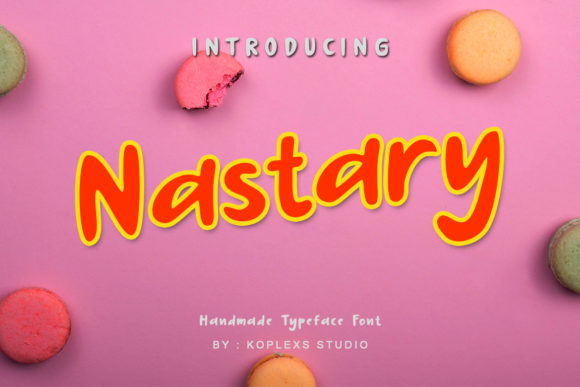
Nastary is classified primarily as a display font, which means it is intended for use at large sizes rather than for extended body text. Its design language is characterized by rounded edges, playful proportions, and a distinct "cute" aesthetic that evokes feelings of warmth, approachability, and creativity. Unlike standard sans-serif or serif fonts that prioritize neutrality, Nastary carries a strong personality. It is not merely a tool for conveying information; it is a visual element that sets the tone of a project before a single word is read.
The font’s appeal lies in its versatility within the bounds of its stylistic constraints. While it is undeniably playful, it avoids the chaotic energy of some hand-drawn scripts. Instead, it offers a structured cuteness that can be integrated into professional workflows without appearing childish in an inappropriate context. This balance makes it a subject of interest for professionals who need to inject personality into their work without compromising on quality.
Key Characteristics and Design Strengths
When evaluating Nastary for potential use, several key characteristics stand out. These features contribute to its effectiveness in specific design scenarios:
- Rounded Geometry: The letterforms feature soft curves and lack sharp angles, which reduces visual aggression and creates a friendly, inviting appearance.
- Consistent Weight: Despite its decorative nature, Nastary maintains a consistent stroke weight across most characters, ensuring that headlines do not look uneven or unstable when scaled.
- Legible Distinctiveness: Each character retains enough structural integrity to be easily recognized, even when used in stylized contexts. This prevents the common issue where "cute" fonts become illegible due to excessive ornamentation.
- Versatile Stylistic Range: The font supports various weights and styles (depending on the specific package), allowing for hierarchy creation within titles and quotes.
These attributes make Nastary particularly effective for short bursts of text. It excels in environments where immediate emotional impact is more important than dense information delivery. The font’s ability to convey beauty and charm without overwhelming the viewer is its primary strength.
Practical Applications in Professional Workflows
Understanding where Nastary fits best requires analyzing real-world use cases. Based on its design profile, the font is well-suited for the following applications:
Children’s Media and Education
The most obvious application for Nastary is in materials targeted at younger audiences. Whether designing covers for children’s books, creating assets for educational apps, or developing graphics for kids’ YouTube channels, Nastary provides an age-appropriate aesthetic. Its cuteness aligns naturally with themes of play, learning, and imagination. Educators and publishers can use this font to make content feel accessible and engaging to children, fostering a positive association with reading or learning activities.
Brand Identity for Lifestyle Products
For small business owners and entrepreneurs, branding is critical. Nastary can serve as a powerful tool for brands in the lifestyle, craft, bakery, or toy industries. Imagine a boutique selling handmade toys or a local bakery specializing in themed cupcakes. Using Nastary for their logo or packaging adds a layer of artisanal charm that resonates with consumers seeking personal, heartfelt connections with brands. It helps differentiate these businesses from competitors using generic corporate fonts.
Social Media and Digital Content
Content creators, bloggers, and influencers frequently need eye-catching visuals for platforms like Instagram, Pinterest, and TikTok. Nastary is ideal for quote cards, motivational posters, and event announcements. Its bold presence ensures that text stands out in busy social media feeds. When paired with complementary colors and imagery, Nastary can elevate simple posts into polished graphic designs, increasing engagement rates through visual appeal.
Event Design and Print Materials
From birthday party invitations to wedding favors with a playful theme, Nastary performs well in print. Its clarity at medium-to-large sizes ensures that details are readable, while its style adds a touch of elegance mixed with fun. Posters for community events, school plays, or charity drives benefit from the font’s ability to communicate excitement and inclusivity.
Evaluating Usability and Flexibility
While Nastary has clear strengths, it is essential to evaluate its limitations to ensure it fits your specific needs. As a display font, it is not suitable for body text. Attempting to use Nastary for paragraphs of text will result in reader fatigue due to its high visual noise. Designers must pair it with neutral, highly legible fonts for supporting text. A clean sans-serif or a classic serif can provide the necessary contrast, allowing Nastary to shine as a headline without causing readability issues.
Furthermore, the "cute" aesthetic may not align with all brand voices. For tech startups, law firms, or financial institutions, Nastary might undermine perceived authority and seriousness. In these contexts, the font could appear unprofessional or frivolous. It is crucial to assess the target audience and brand values before committing to Nastary. If the goal is to convey trust, stability, or innovation, other typefaces would be more appropriate.
Quality and Long-Term Value
From a technical standpoint, Nastary generally demonstrates good quality in terms of kerning and glyph coverage. However, users should always verify the specific character set included in their license, especially if they need special symbols, accented characters, or punctuation marks. Inconsistent kerning can disrupt the flow of text, so testing the font in actual design layouts is recommended.
The long-term value of Nastary depends on how frequently it is used. For one-off projects, it is a cost-effective way to add polish. For ongoing brands, it can become a recognizable visual asset, provided it is used consistently. Licensing terms vary, so professionals should review the end-user license agreement (EULA) to understand restrictions on commercial use, number of users, and web embedding rights.
Who Should Consider Nastary?
Nastary is best suited for:
- Freelance Graphic Designers: Who need quick, stylish solutions for client projects in the lifestyle and entertainment sectors.
- Small Business Owners: Who want to create cohesive branding materials without hiring expensive agencies.
- Educators and Publishers: Who produce content for children and need engaging, readable typography.
- Social Media Managers: Looking to boost engagement through visually appealing quote graphics and announcements.
It is less suitable for:
- Corporate communications requiring formal tone.
- Technical documentation or dense informational content.
- Brands aiming for minimalist or ultra-modern aesthetics.
Final Recommendations
Nastary is a valuable addition to any designer’s toolkit, provided it is used strategically. Its unique blend of cuteness and structure makes it a standout choice for projects that require warmth and approachability. By pairing it with neutral fonts and respecting its role as a display typeface, creators can leverage its full potential. Before integrating Nastary into a workflow, test it in various contexts to ensure it aligns with your project’s goals and audience expectations. When applied correctly, it enhances visual storytelling and adds a memorable touch to creative endeavors.