Elevating Visual Identity with Glass Cup: The Art of Transparent Elegance
In the vast landscape of typography, where thousands of typefaces compete for attention on screens and print, finding a font that truly resonates requires more than just aesthetic appeal. It demands character, versatility, and a distinct voice. Enter Glass Cup, a display font that has rapidly garnered attention among designers seeking to inject a sense of refined sophistication into their projects. This is not merely another decorative typeface; it is a masterfully crafted tool designed to become a true favorite in your creative arsenal, bringing each of your ideas to the highest level of visual impact.
The name itself suggests clarity, purity, and structure—qualities that are meticulously embedded into the design of Glass Cup. Unlike ornate scripts or heavy block letters that shout for attention, this font whispers with confidence. It captures the essence of transparency without sacrificing readability, making it an ideal choice for brands and creatives who wish to communicate premium quality and modern elegance. Whether you are working on a high-end fashion lookbook, a minimalist wedding invitation suite, or a sleek tech startup’s landing page, understanding the nuances of Glass Cup can transform your design from good to exceptional.
Deconstructing the Design Philosophy
To appreciate why Glass Cup stands out, one must first look at its structural integrity. Display fonts often fall into the trap of being too stylized to be functional, or too plain to be memorable. Glass Cup strikes a delicate balance. The letterforms feature clean lines and precise geometric foundations, yet they possess subtle curves that soften the overall appearance. This duality allows the font to feel both contemporary and timeless.
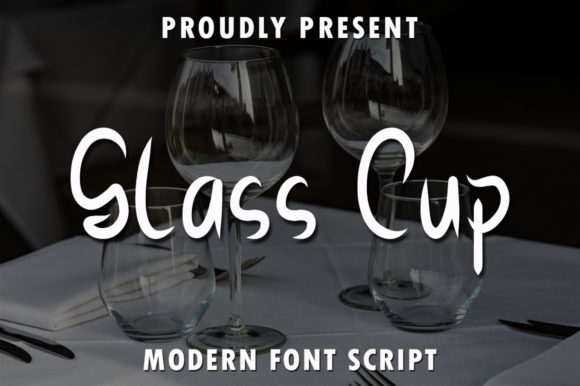
The unique selling point of Glass Cup lies in its "glass-like" aesthetic. The strokes are uniform in weight, creating a sense of stability and calm. However, the terminals—the ends of the strokes—are often cut at sharp angles or finished with slight flares, adding a touch of dynamic energy. This detail prevents the font from feeling sterile. When you use Glass Cup, you are not just placing text; you are framing it within a context of luxury and precision.
- Geometric Precision: The underlying grid is strict, ensuring consistency across all characters.
- Refined Terminations: Subtle angles add character without cluttering the design.
- Optical Balance: Spacing and kerning are pre-optimized for immediate visual harmony.
This attention to detail means that as a designer, you spend less time tweaking tracking and leading, and more time focusing on the broader composition. The font does the heavy lifting, allowing your layout to breathe. In an era where user experience is paramount, fonts that reduce cognitive load while enhancing beauty are invaluable. Glass Cup achieves this by maintaining high legibility even at smaller sizes, provided it is used correctly within a display context.
Strategic Applications in Modern Design
Where does Glass Cup shine brightest? The answer lies in industries that rely heavily on perception and brand identity. Let’s explore some practical scenarios where this font proves its worth.
High-End Retail and Fashion
Fashion is inherently about presentation. A clothing brand launching a new summer collection needs imagery and typography that evoke lightness and freshness. Glass Cup mirrors these qualities perfectly. Its transparent vibe pairs exceptionally well with pastel color palettes, white space, and high-resolution photography. Imagine a billboard for a luxury perfume line; the bold yet airy presence of Glass Cup can make the product name pop against a soft background, creating an instant association with purity and exclusivity.
Event Design and Stationery
Weddings, galas, and corporate events often require stationery that feels personal yet polished. Invitations, menus, and place cards benefit from the elegant simplicity of Glass Cup. Because the font is a display typeface, it works beautifully as a headline or title. Pairing it with a delicate serif body text creates a sophisticated hierarchy. The contrast between the structured, modern display font and a traditional serif adds depth to the design, suggesting a blend of classic values with modern sensibilities.
Digital Interfaces and Branding
In the digital realm, screen real estate is precious. Logos and hero headers need to be impactful but not overwhelming. Glass Cup offers a distinctive logo potential due to its unique letter shapes. For instance, using it for a tech company focused on cloud storage or data security could reinforce themes of clarity, safety, and openness. The font’s clean lines render sharply on retina displays, ensuring that your brand looks crisp on any device.
Practical Considerations for Implementation
While Glass Cup is versatile, like any powerful tool, it requires respect to be used effectively. Here are some key considerations to keep in mind when integrating this font into your workflow.
- Hierarchy is Key: As a display font, Glass Cup is best suited for headlines, titles, and short phrases. Avoid using it for long paragraphs of body copy. The geometric nature of the letters can become fatiguing to read over extended periods. Instead, pair it with a highly readable sans-serif or serif font for supporting text.
- White Space Management: To let Glass Cup truly shine, give it room to breathe. Crowded layouts diminish the impact of elegant typefaces. Use generous margins and padding to create a sense of luxury. The negative space around the letters is just as important as the letters themselves.
- Color Contrast: Due to its clean lines, Glass Cup relies heavily on contrast for visibility. Ensure sufficient contrast between the text color and the background. Dark grey on white, or gold on navy blue, are excellent combinations that enhance the font’s inherent elegance.
- Kerning Awareness: While the font comes with optimized kerning pairs, custom adjustments may be needed for specific word combinations. Always zoom in to check the spacing between unique letter pairings, especially when using the font in large sizes.
Another common factor people consider before adopting a new font is its availability across platforms. Glass Cup is designed with web compatibility in mind, often available in formats that ensure consistent rendering across browsers. However, for print-heavy projects, always verify the resolution and vector quality of the files you download. High-quality vector files (such as .AI or .EPS) are essential for scaling the font up for billboards or down for business cards without losing fidelity.
Why Choose Glass Cup Over Alternatives?
With so many options available, why should you choose Glass Cup? The primary reason is its unique personality. Many modern display fonts lean towards minimalism to the point of blandness, or towards maximalism to the point of chaos. Glass Cup occupies a sweet spot in the middle. It is distinctive enough to stand out in a crowded feed but restrained enough to remain professional.
Furthermore, the font’s adaptability makes it a cost-effective addition to your design toolkit. One font family can serve multiple purposes: branding, editorial design, packaging, and digital marketing. By mastering Glass Cup, you streamline your creative process, reducing the need to hunt for disparate fonts that might clash stylistically. It brings cohesion to your work, ensuring that every project you touch shares a thread of refined elegance.
In conclusion, Glass Cup is more than just a typeface; it is a strategic asset for any designer looking to elevate their visual communication. Its masterful design, rooted in clarity and sophistication, allows it to bring creative ideas to the highest level. By understanding its strengths and applying it with intention, you can create designs that not only capture attention but also command respect. Whether you are crafting a brand identity from scratch or refreshing an existing one, considering Glass Cup is a step towards achieving a truly polished and professional result.